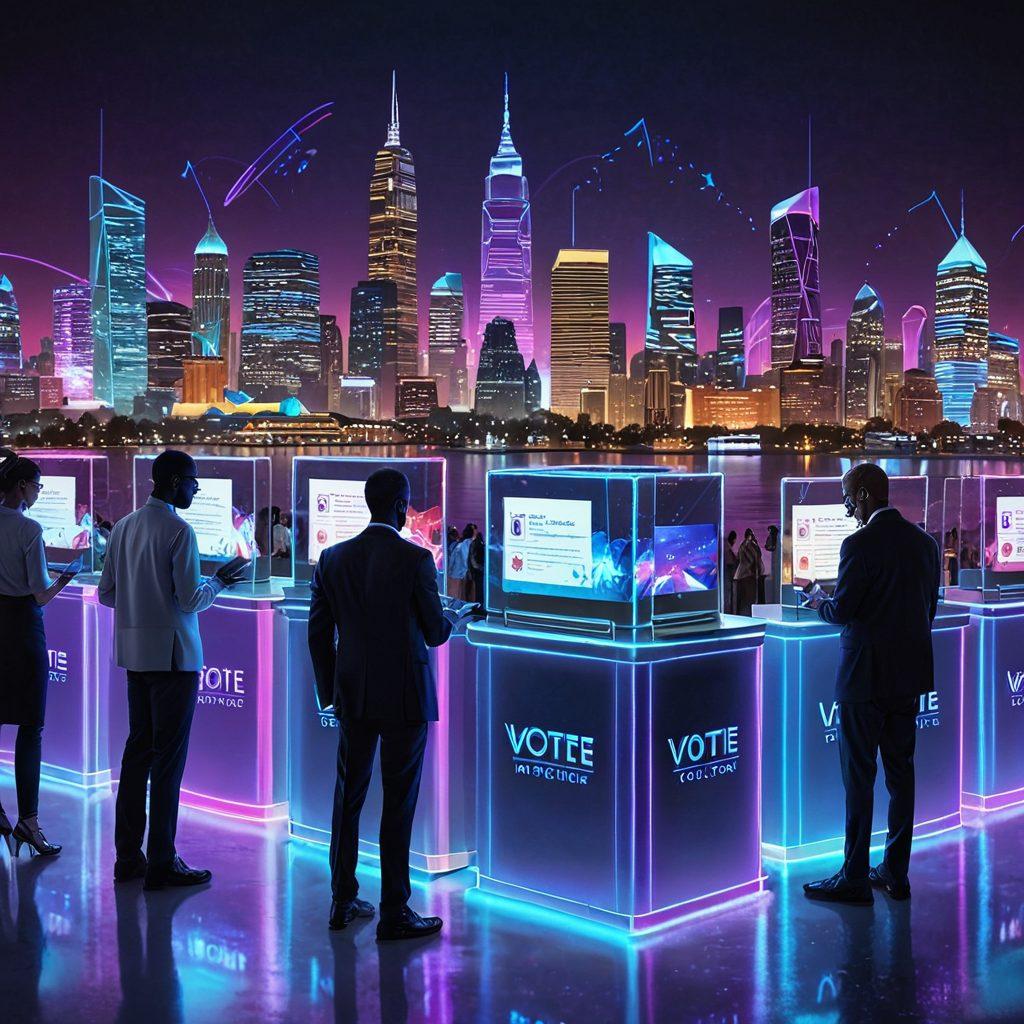
Revolutionizing Democracy: How Electronic Ballots and Virtual Voting are Shaping the Future of Elections
Imagine a world where every voice truly matters, where your vote isn’t just a dot on a paper ballot but a powerful representation of your beliefs in a digital sphere. Welcome to the era of electronic ballots and virtual voting—a revolution in our democracy that empowers voters like never before. The experience of casting a ballot is being transformed, turning the arduous process of voting into a swift, simple, and secure action. Let’s dive into how these advancements in electoral technology are driving voter participation, engagement, and trust in the democratic process.
In the past, many eligible voters faced obstacles when attempting to exercise their right to vote. Long lines at polling stations, complicated registration processes, and even fear of misinformation often hindered robust voter turnout. However, the introduction of electronic ballots and remote voting solutions like I-voting has changed this landscape significantly. As we embrace mobile voting and secure voting platforms, the ability to cast a ballot from the comfort of our homes becomes not just a convenience, but a necessity in ensuring that every voice is heard—especially in times when travel is difficult or access to polling places is limited.
Have you ever wondered what it would feel like to vote without leaving your sofa? Virtual voting is making it possible. With online elections and smart voting systems, voters can participate in referendums or local elections with just a few clicks. Such convenience significantly aids in informed voting, as voters can research candidates and issues at their own pace, leading to more thoughtful decisions. This is crucial because, in a democracy, well-informed citizens make better choices, and that ultimately strengthens the system. As Benjamin Franklin said, 'A democracy is a place where the people govern, and the people must be well-informed to govern wisely.'
However, the transition to these advanced voting systems must come with an emphasis on security and transparency. Understanding voter concerns about e-voting solutions—such as the accuracy of vote counting and the risk of cyber threats—becomes essential. Electoral technology is designed to mitigate these fears. Robust authentication processes, encryption, and audit trails for every vote cast ensure that the integrity of the voting process remains intact. By implementing these security measures, we not only protect the sanctity of each individual's voice but also enhance trust in the system as a whole.
In conclusion, electronic ballots and virtual voting are not merely trends; they are the future of elections that pave the way for dynamic participation in our democracy. As we embrace these innovations, we encourage more citizens to engage in the political process—whether it’s during a local election, a national referendum, or any voting season in between. Let’s champion the push for practical, secure voting solutions that cater to the demands of modern society and empower everyone to exercise their fundamental right to vote. After all, democracy flourishes when every voice is encouraged to shape our future. So, are you ready to make your voice heard?
The Future is Now: Exploring Virtual Voting and Its Role in Modern Elections
In a world where convenience is king and technology governs our daily lives, it’s no surprise that voting systems are evolving right alongside. Gone are the days when long lines at polling places, confusing ballots, and limited hours made casting your vote a hassle. The future is now, and it comes in the form of virtual voting. With the rise of electronic ballots and I-voting, voters can engage in the democratic process from the comfort of their own homes, making it easier than ever to cast a ballot. But how is this shift towards remote voting reshaping our electoral landscape?
Imagine waking up on election day, pouring yourself a cup of coffee, and voting in your pajamas—all it takes is a few taps on your smartphone. This scenario is becoming a reality as polling technology advances. But while the convenience of mobile voting platforms is undeniable, crucial questions arise. How secure are these systems? What measures are in place to ensure that our votes are protected and accurately counted? The debate surrounding electronic ballots, remote voting, and online elections is passionately charged, and as we delve deeper into this subject, we must acknowledge that informed voting is fundamental to democracy.
As we look closer at virtual voting, one cannot help but think of the potential impact on voter turnout. Studies have indicated that lower barriers to participation can lead to higher engagement. By providing people with e-voting solutions that simplify the process, do we stand a chance of reversing the declining trend of disenfranchised voters? A referendum on voting methods could show just how transformative technology could be in encouraging civic participation. After all, making it easier for individuals to access the voting process is essential for a healthy democracy, is it not?
However, it’s not just about tapping into convenience. It also raises important discussions about electoral technology and its implications for our society. With rapid vote technologies that can process votes almost instantly, the days of prolonged counting (and the subsequent anxiety) could soon become obsolete. Yet, as we shift towards smart voting, we must scrutinize how these systems are created and managed. Who oversees the development of these voting platforms? And can we trust them to uphold the integrity of our elections? As citizens, we must remain vigilant, demanding transparency that goes hand-in-hand with innovation.
Virtual voting is not just a matter of adapting to modern life; it's about embracing a new era for democracy. As we enter this uncharted territory of polling technology, we have an opportunity to redefine our relationship with voting. The more accessible the process, the greater the potential for inclusivity and representation in our electoral outcomes. As our society shifts toward a future driven by remote voting solutions, let us ponder anew: how can we ensure that every voice is heard, every vote counted, and democracy flourishes in this digital age?
From Traditional Polling to Smart Voting: How Technology is Redefining Democracy
Imagine a world where the lines at polling stations are a distant memory, where casting a ballot happens from the comfort of your own home, and where the complexities of vote counting are streamlined through advanced technology. This vision is no longer confined to the pages of futuristic novels; it is becoming a reality through the rise of electronic ballots and virtual voting. As we navigate the evolution of democracy, it's essential to understand how these innovations are redefining our electoral processes for the better. Could it be that we're on the brink of a new era of informed voting and increased voter turnout?
Once upon a time, the act of casting a ballot was a sort of ritual, complete with waiting in line, shuffling through paper ballots, and hopes that every vote would be counted accurately. However, traditional polling methods face challenges that hinder participation: inconvenience, long wait times, and fears of fraud. Enter smart voting—embodying electronic ballots and remote voting solutions. These technologies are not just modern conveniences; they promise to empower voters and enhance democracy. But what does it mean to redefine democracy in an age dominated by technology?
Picture a young college student, eager to make her voice heard but unable to take time off from classes. With the advent of I-voting and mobile voting platforms, she can now cast her vote during a break in between lectures, ensuring her opinions matter in the upcoming referendum. By embracing secure voting practices and sophisticated polling technology, we can break down barriers that traditionally discouraged participation. The question arises: how many more voices will be heard, and how much richer will our democracy be when elections are accessible to all?
It's clear that the transition to electronic ballots and online elections isn’t just about adopting new practices; it’s about ushering in a fundamental change in how we perceive civic engagement. Rapid vote outcomes and efficient vote counting not only increase transparency but also build trust in our electoral systems. As we witness innovations in electoral technology, one can't help but wonder—will we ever return to archaic methods of voting? Or are we heading down a path where smart voting becomes the golden standard?
Ultimately, the future of democracy may depend not just on the technology we use but on how we choose to implement it responsibly. As we delve deeper into the world of e-voting solutions and digital voting systems, it is crucial to maintain a balance between security and accessibility. With every click of a button, voters need assurance that their choices are safeguarded. As we embrace these changes, let's reflect on the words of a wise philosopher: 'Every vote matters, but every voter must have the tools to make their vote count.' Together, let’s advocate for a democracy that truly represents the people—one click at a time.